Hand-Drawn Pencil Pet Tribute Portraits
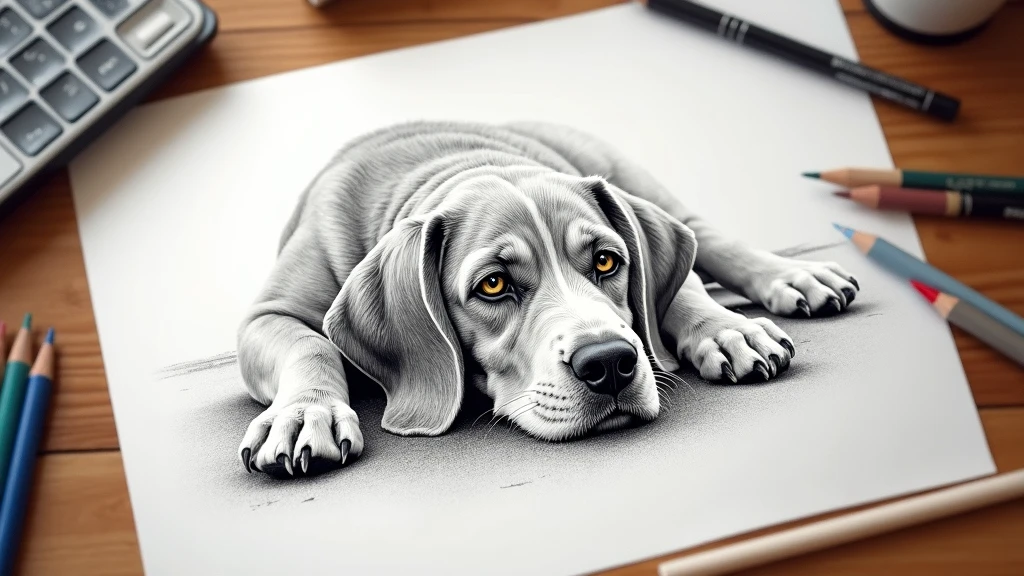
A favorite photograph can bring back so many memories of a beloved pet—the way they tilted their head, the expression in their eyes, or the little details that made them unmistakably yours. A hand-drawn pencil portrait offers another way to preserve those moments, turning a cherished photograph into a personal piece of artwork.
Hand-drawn pencil pet tribute portraits use carefully layered graphite shading to capture a pet’s likeness, from the softness of their fur to the distinctive features that make them recognizable. Whether you’re honoring a pet who has passed away or celebrating one still by your side, the finished drawing can become a keepsake you’ll enjoy for years.
If you’re considering commissioning a pencil portrait for yourself or giving one as a gift, this guide explores the artistic process, choosing the right artist, preparing photographs, and understanding pricing. You’ll also find practical advice for displaying and caring for your finished artwork.
What Makes Hand-Drawn Pencil Pet Tribute Portraits Special?
What makes a hand-drawn pencil portrait special is the artist’s ability to bring a photograph to life through carefully placed strokes and shading. Rather than simply reproducing an image, the artist interprets the light, texture, and small details that give the drawing its character.
Graphite pencils can create everything from soft, delicate tones to rich shadows, giving the finished portrait a timeless black-and-white appearance. If you prefer artwork with gentle colors, pet memorial portraits in pastel offer another beautiful way to capture your companion’s likeness.
Choosing the reference photograph is also part of what makes a custom portrait personal. It might show your dog relaxing in a favorite spot, your cat watching birds through a window, or a playful moment you always remember.
These portraits aren’t limited to memorials. They can celebrate a pet who’s still part of your family, mark a special occasion, or become a thoughtful gift for someone who loves their animal companion.
Understanding the Process: From Photo to Artwork
Creating a hand-drawn pet portrait begins with a reference photograph. The artist studies the image to plan the composition, paying attention to your pet’s proportions, markings, and the way light falls across their face and body.
Some artists may request additional photographs to clarify details that aren’t visible in the main image before beginning the drawing.
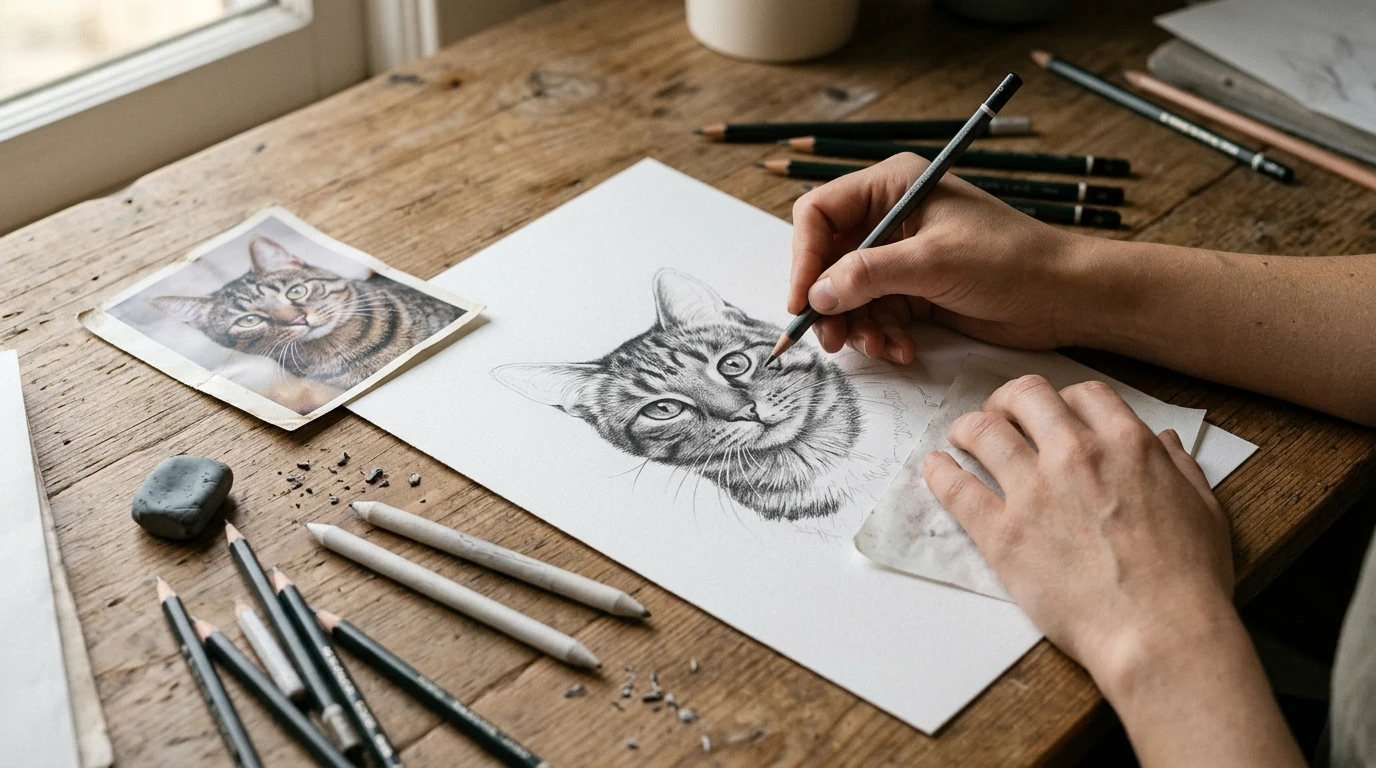
Once the composition is planned, the artist begins sketching with graphite pencils. Different pencil grades allow for a range of tones, from light outlines and gentle shading to deeper shadows.
As the portrait develops, fine pencil strokes create the appearance of fur, while blending and layered shading add dimension. The artist gradually refines these details to give the drawing a natural, lifelike appearance.
Depending on the artist’s style, the portrait may have a simple background or include personal touches such as your pet’s name, a favorite toy, or elements from the original photograph.
Some artists also offer a preliminary sketch or an opportunity to request adjustments before completing the artwork. Since these options vary, it’s worth confirming what’s available when placing your order.
Tips for Choosing the Right Artist
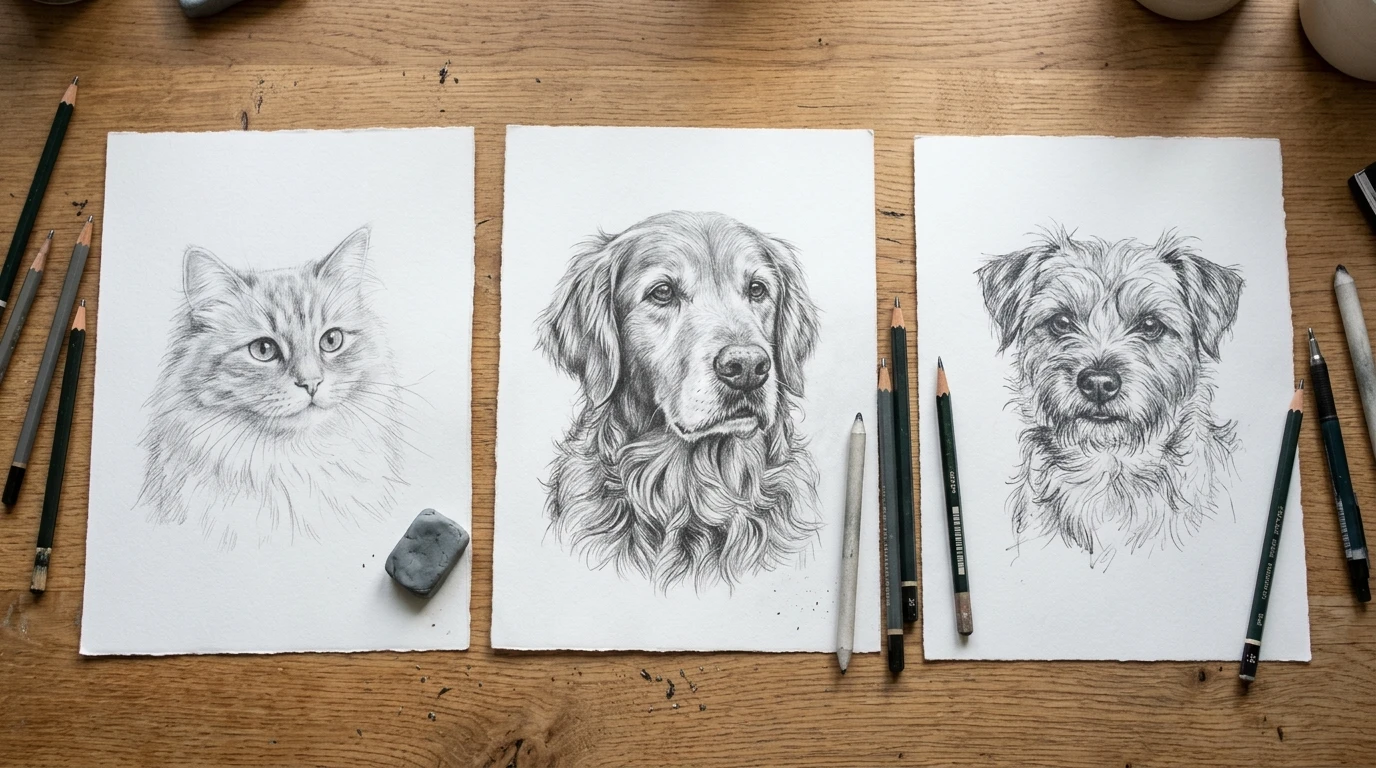
Every pet portrait artist has a unique approach, from highly detailed graphite drawings to softer, more expressive sketches. Finding someone whose work appeals to you is an important part of commissioning a portrait.
Before ordering, consider these five factors to help you choose an artist whose style, experience, and services meet your expectations.
1. Look Closely at the Artist’s Portfolio
Browse the artist’s portfolio for examples of completed pet portraits, particularly animals with features or coat textures similar to your own pet.
Look at how consistently the artist handles proportions, expressions, and fine details across different drawings. A portfolio with several examples can give you a better idea of the quality and style you can expect.
2. Read Customer Reviews
Reviews from previous customers can offer helpful insight into an artist’s work and reliability.
Look for feedback about the accuracy of the finished portrait, communication throughout the process, delivery times, and how carefully the artwork was packaged.
When possible, check independent reviews rather than relying only on testimonials featured on the artist’s website.
3. Ask About Materials and Artwork Quality
The materials used can affect how a pencil portrait looks and how well it holds up over time.
Ask whether the artist uses archival-quality drawing paper and professional graphite pencils. You may also want to find out whether the artwork is sprayed with a protective fixative and what care instructions are recommended.
Understanding these details can help you choose a portrait you’ll feel confident displaying for years.
4. Discuss Personalization Options
Before ordering, ask whether the artist can accommodate specific requests, such as including your pet’s name, combining several photographs, or featuring more than one pet in the drawing.
If you have a particular pose or background in mind, discuss it early in the process. Some requests may require additional work or involve extra charges, so it’s helpful to understand what’s possible before committing.
5. Understand Pricing, Revisions, and Delivery
Before committing to an artist, confirm the total price and what it includes.
Ask about the portrait size, number of pets, framing options, shipping costs, and estimated completion time.
It’s also worth checking whether you’ll receive a preliminary sketch, how many revisions are allowed, and what happens if the finished artwork arrives damaged.
Clear communication and written ordering policies can help prevent misunderstandings.
Preparing Photos for the Best Results
You don’t need a professional photograph to commission a beautiful pencil portrait. A favorite picture taken at home can work just as well, provided the artist can see enough detail to create an accurate likeness.
These five tips can help you select and prepare your reference photographs.
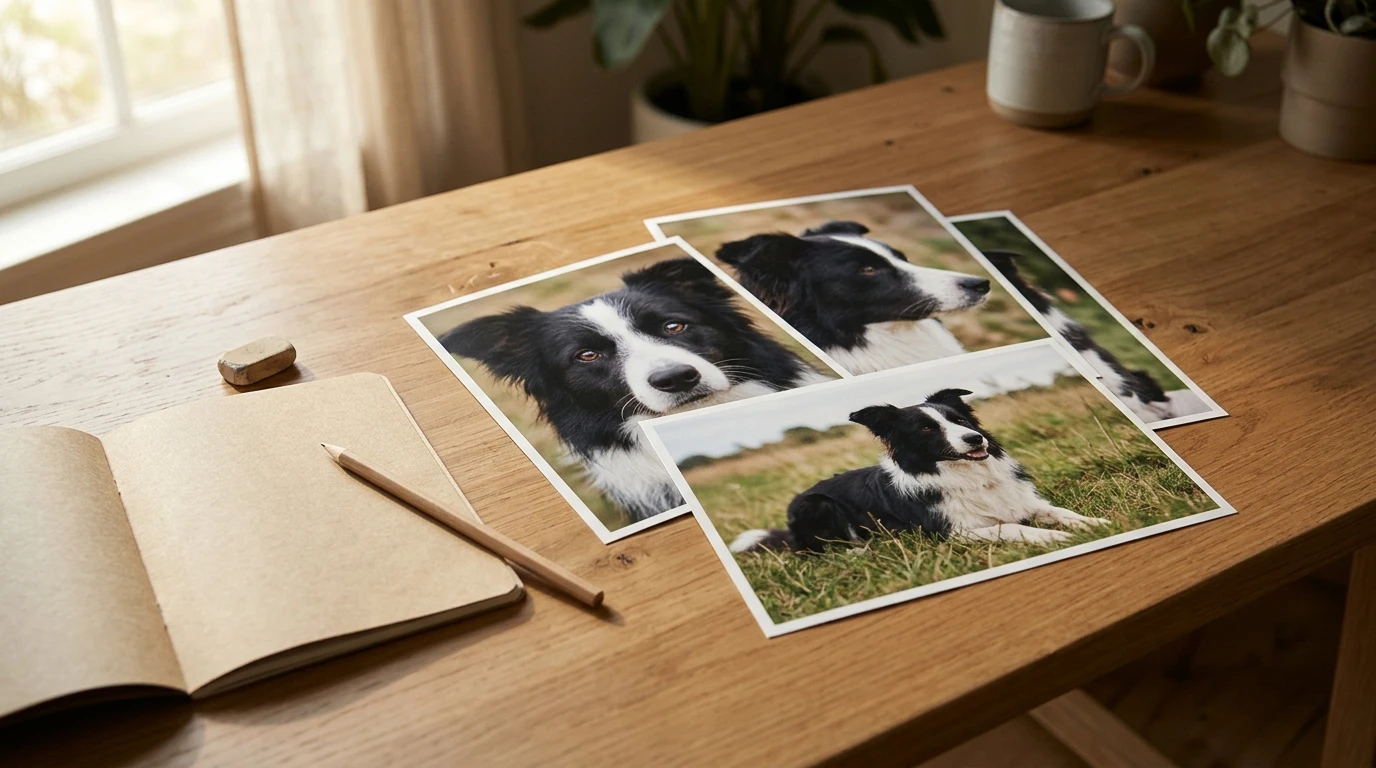
1. Choose a Clear, Well-Lit Photograph
Natural lighting often provides the best view of your pet’s features without creating harsh shadows.
Photographs taken near a window or outdoors in soft daylight can help show the texture of their fur, the shape of their face, and the details around their eyes.
Try to avoid blurry images or photographs taken with strong flash, which can wash out important details.
2. Make Sure the Eyes and Facial Features Are Visible
Choose a photograph that clearly shows your pet’s eyes, nose, ears, and facial markings. These features help the artist create a recognizable likeness.
Consider the angle as well. A photograph taken at your pet’s eye level often provides a more natural view of their face than one taken from directly above.
3. Provide More Than One Photograph
Even when you’ve chosen a favorite picture, sending a few additional images can be helpful.
A photograph taken from the front may show facial markings clearly, while a side view can reveal the shape of the ears, muzzle, or coat.
If you’re commissioning a memorial portrait and only have older photographs available, share the clearest ones you have. An experienced artist may be able to use several images together to better understand your pet’s appearance.
4. Include Details That Make Your Pet Unique
If your pet had an unusual marking, a slightly crooked ear, or another distinctive feature, point it out to the artist. Small details can sometimes be overlooked in photographs, especially when the lighting or angle makes them difficult to see.
You can also explain which expression or pose best reflects your pet’s personality. This gives the artist a better understanding of what you’d most like the portrait to capture.
5. Ask Before Sending Heavily Edited Photos
Filters, strong color adjustments, and image enhancements can sometimes hide the natural details an artist needs.
Whenever possible, provide the original photograph along with any edited version you’d like the artist to consider.
If you’re unsure whether a particular picture will work, ask the artist to review it before placing your order.
What to Expect: The Commission Timeline
Once you’ve chosen an artist and selected your photographs, the commission process can begin. Although every artist works a little differently, most custom pencil portraits follow a similar series of steps.
Completion times vary depending on the artist’s workload, the size of the portrait, and the amount of detail involved.
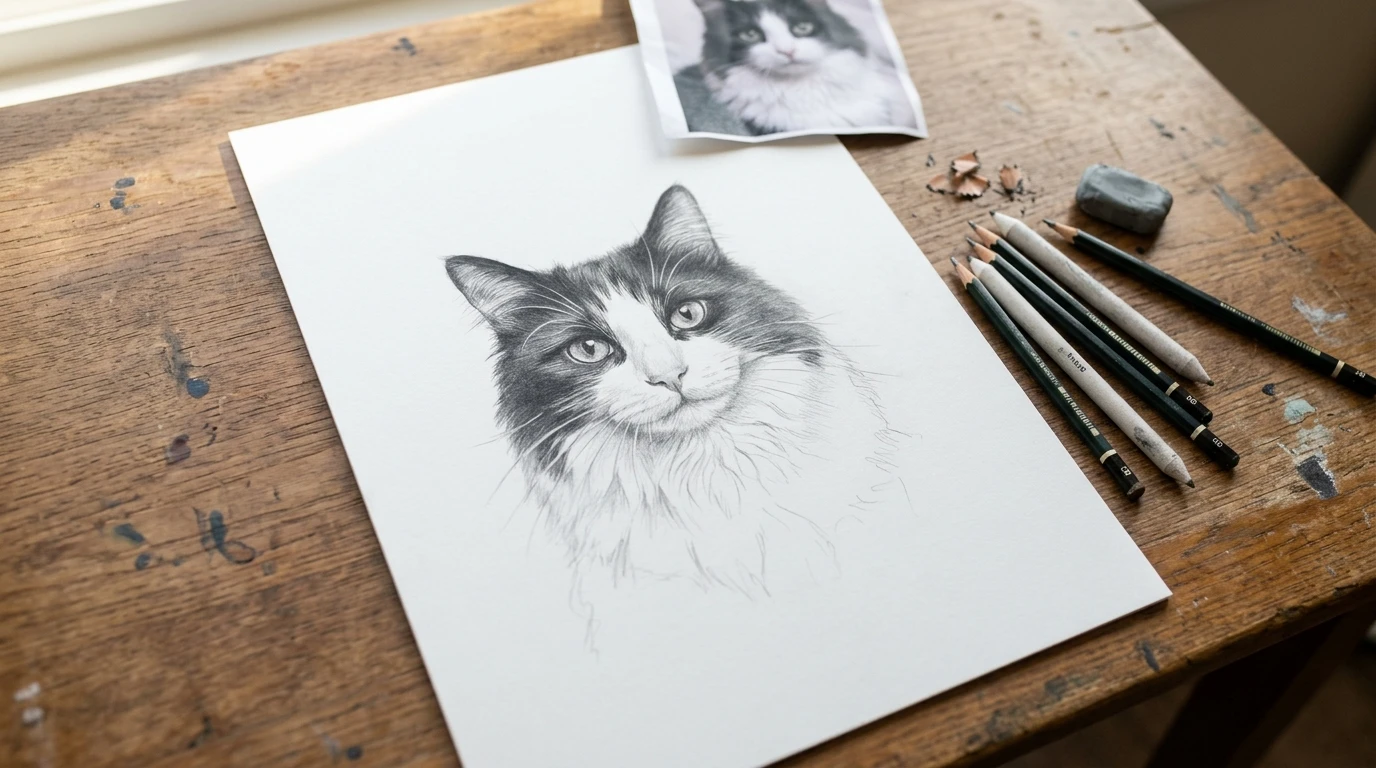
1. Confirm the Portrait Details
Before work begins, the artist will typically confirm the portrait size, reference photographs, composition, and any personalized details you’ve requested.
You’ll also finalize payment arrangements and receive an estimated completion date. Make sure the agreed-upon details are documented so both you and the artist know what to expect.
2. Review Any Preliminary Sketches
Some artists provide an initial sketch or digital preview before completing the portrait.
If this service is available, it’s an opportunity to check the composition, positioning, and any personalized details you’ve requested.
Not every artist offers previews or revisions, so be sure to understand these policies before ordering.
3. Allow Time for the Drawing Process
Creating an original pencil portrait takes time, particularly when the drawing includes intricate details or more than one pet.
The artist gradually builds the portrait through sketching, shading, and refinement. Depending on the complexity of the artwork and the artist’s current waiting list, the process may take several days or weeks.
If you’re ordering for a birthday, holiday, or remembrance occasion, allow extra time rather than relying on the estimated completion date alone.
4. Confirm Packaging and Shipping Arrangements
Once the portrait is finished, it should be carefully packaged to protect the artwork during delivery.
Unframed drawings may be shipped flat in protective packaging, while larger pieces or framed portraits may require additional materials.
Ask whether tracking and shipping insurance are included, especially when ordering an original piece that would be difficult to replace.
5. Inspect Your Portrait When It Arrives
When your portrait arrives, carefully check the packaging and artwork for any signs of damage.
If you notice a problem, photograph it and contact the artist promptly, following their stated policies.
You may also want to ask whether the artist offers a digital scan of the finished drawing for sharing with family members or keeping as an additional record.
Display and Care Tips for Pencil Pet Portraits
An original pencil portrait deserves a little extra care to preserve its delicate details. Graphite drawings can be sensitive to smudging, moisture, and improper handling, but a few simple precautions can help protect your artwork for years to come.
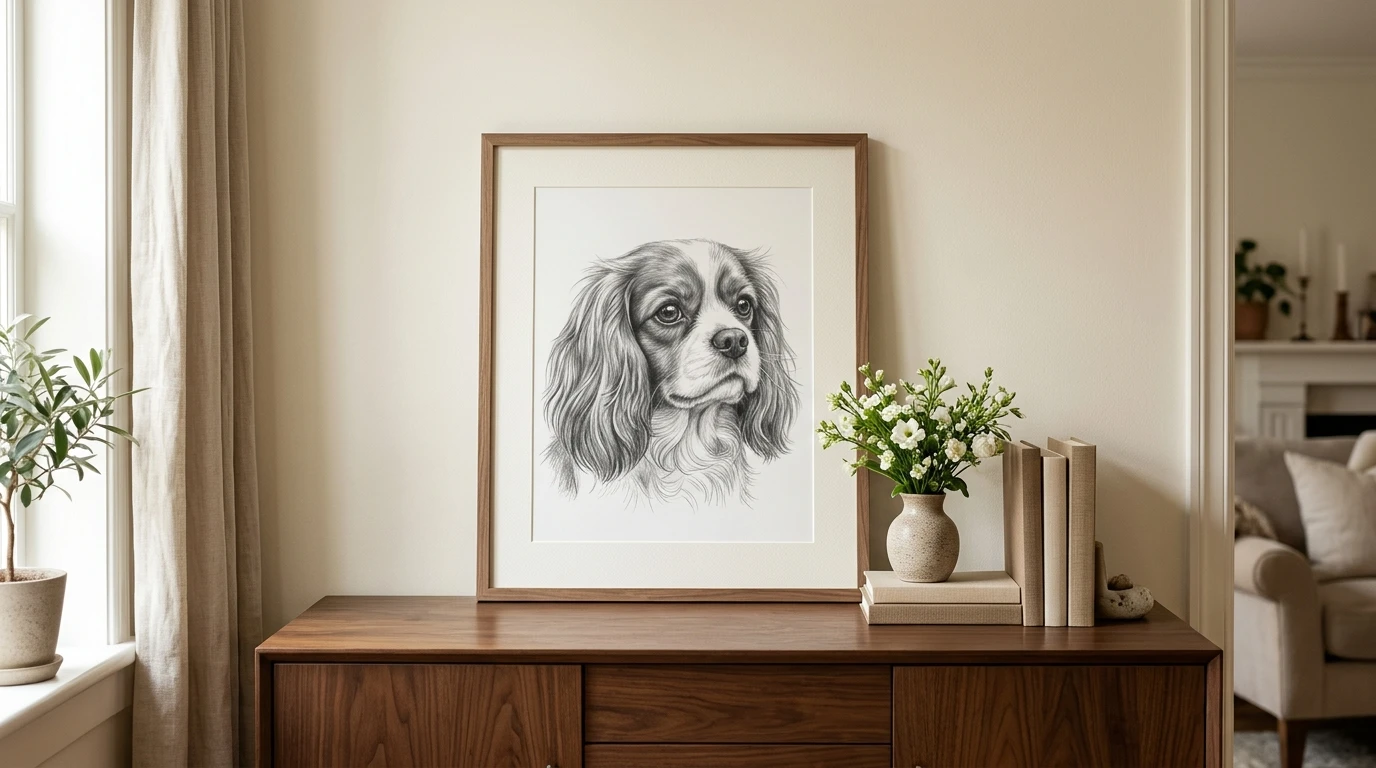
1. Choose a Protective Frame
Framing is one of the best ways to protect an original pencil drawing from dust, fingerprints, and accidental damage.
Consider using a frame with UV-filtering glass or acrylic to help protect the paper from prolonged light exposure.
An acid-free mat or suitable spacer can also keep the drawing from touching the glazing, helping protect the artwork’s surface.
2. Keep the Portrait Away From Direct Sunlight
Although graphite itself is relatively light-stable, prolonged exposure to sunlight can cause paper to discolor or deteriorate over time.
Choose a display location away from windows that receive strong, direct sunlight.
A softly lit living room, bedroom, or hallway can be a lovely place to enjoy your portrait while helping protect it.
3. Avoid Humid or Damp Areas
Excess moisture can cause paper to warp, stain, or develop mold.
Avoid displaying your portrait in bathrooms, damp basements, or other areas where humidity changes frequently.
A dry, temperature-stable location is generally best for preserving original artwork.
4. Handle the Artwork Carefully
If your portrait arrives unframed, handle it with clean, dry hands and avoid touching the graphite surface.
Pencil shading can smudge when rubbed, particularly in darker areas of the drawing.
If you need to move or store the portrait before framing, follow the artist’s handling instructions and use appropriate acid-free protective materials.
5. Clean the Frame, Not the Drawing
Once your portrait is framed, routine cleaning should be limited to the outside of the frame and glazing.
Use a soft, clean cloth to remove dust, and avoid spraying cleaning products directly onto the frame, where moisture could seep inside.
Never attempt to wipe or clean the drawing itself. If the artwork becomes damaged or stained, consult a professional art conservator.
5 Reasons to Choose a Hand-Drawn Pet Tribute
A hand-drawn pencil portrait can be more than a decorative piece. It might celebrate a special milestone, honor a pet’s memory, or become a treasured gift for someone who loves their companion.
Here are five reasons these portraits hold such personal appeal.
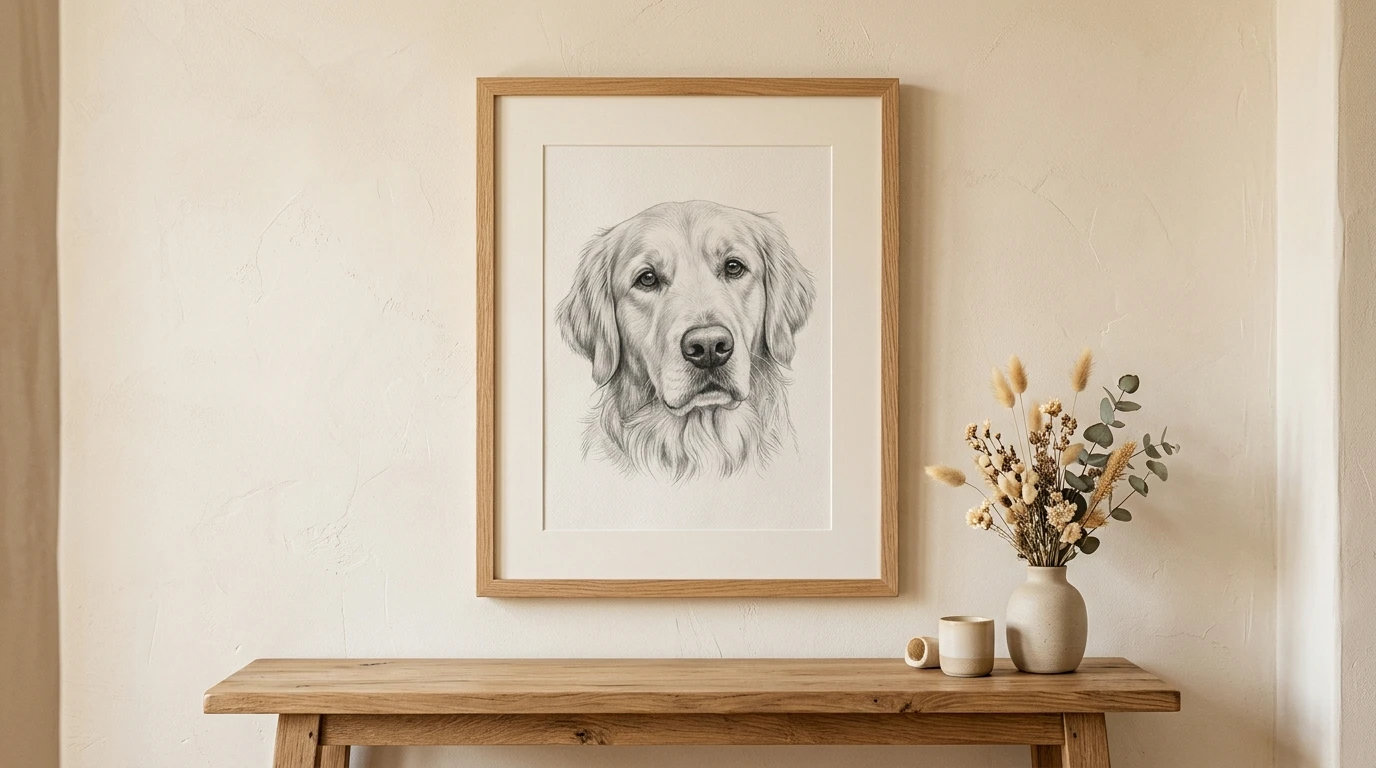
1. A One-of-a-Kind Keepsake
An original pencil portrait is created individually by an artist, with each drawing reflecting their technique and attention to detail.
Unlike a mass-produced print, the finished artwork has its own subtle variations in shading and pencil strokes, making it a unique piece to enjoy and display.
2. A Beautiful Way to Remember a Beloved Pet
After losing a pet, familiar photographs and keepsakes can bring back memories of the time you shared. Creating a pet memorial memory box is another thoughtful way to gather favorite photographs, a collar, or other small reminders of your companion in one special place.
A pencil portrait offers another way to keep those memories close. Displaying your pet’s familiar face in a favorite room may provide a comforting reminder of the companionship, affection, and everyday moments you enjoyed together.
3. A Thoughtful and Personal Gift
A custom pet portrait is one of many personalized pet memorial gift ideas that can bring comfort or celebrate the special relationship someone shares with their animal companion.
It might be given for a birthday, holiday, adoption anniversary, or as a gesture of sympathy after the loss of a beloved pet.
For a memorial gift, consider the recipient’s feelings and whether they would welcome a portrait. A thoughtful choice of photograph can make the gesture especially personal.
4. A Way to Celebrate Pets While They’re Still With Us
You don’t have to wait for a special occasion to commission a portrait of your pet. Having a drawing created while they’re still with you can be a wonderful way to celebrate their place in your family.
Whether you choose a playful puppy, a senior dog with a graying muzzle, or a cat relaxing in a favorite spot, the portrait captures a particular chapter of your life together.
5. A Timeless Addition to Your Home
The soft shading and classic appearance of graphite artwork can complement many decorating styles.
A simple framed portrait can look beautiful on a gallery wall, above a mantel, or beside family photographs.
Because pencil drawings are typically created in shades of gray, they can blend naturally with both traditional and modern interiors while keeping the attention on your pet.
Common Questions About Hand-Drawn Pet Portraits
If you’re thinking about commissioning a pencil portrait of your pet, you may still have a few questions. Here are some helpful answers about pricing, photographs, and personalization.
How Much Does a Hand-Drawn Pet Portrait Cost?
The price of a custom pencil pet portrait depends on the artist’s experience, the size of the drawing, the level of detail, and the number of pets included.
Smaller portraits may be available for under $100, while larger, highly detailed drawings by established artists can cost several hundred dollars or more.
Before ordering, check whether the quoted price includes shipping, framing, and any requested personalization.
Can an Artist Create a Portrait From an Old or Blurry Photograph?
Some artists can work from older or imperfect photographs, especially when additional images are available to help clarify your pet’s features.
If you’re creating a memorial portrait and only have a few treasured pictures, don’t assume they aren’t suitable. Share what you have with the artist and ask whether there’s enough detail to create a recognizable likeness.
Can More Than One Pet Be Included in a Pencil Portrait?
Yes, many pet portrait artists offer drawings featuring two or more pets.
This can be a beautiful option for remembering companions who shared your home or celebrating several pets together in one piece of artwork.
The artist may be able to combine separate reference photographs into a single composition. Additional pets typically increase the cost, so ask about pricing before ordering.
Can I Personalize a Hand-Drawn Pet Portrait?
Many artists offer personalization options, such as adding your pet’s name, choosing a particular pose, or including a favorite toy.
Some may also be able to incorporate a meaningful date or create a simple background.
Customization options vary, so discuss your ideas with the artist before placing your order.
Do Hand-Drawn Pencil Pet Portraits Come Framed?
Some artists offer framing as an optional service, while others ship the original drawing unframed.
If framing isn’t included, you can choose a frame that complements your home and protects the artwork.
For an original graphite drawing, consider acid-free framing materials and UV-filtering glass or acrylic. It’s also important to keep the artwork from resting directly against the glazing.
Final Thoughts on Hand-Drawn Pencil Pet Portraits
There’s something special about seeing your pet’s familiar face brought to life through pencil and paper. A hand-drawn portrait can capture the little details you love, whether it’s a playful expression, a gentle gaze, or the way their ears always seemed to sit just right.
Whether you’re honoring a pet you’ve lost or celebrating one who’s still by your side, the finished portrait offers a lasting reminder of the moments you’ve shared. It’s a simple, personal way to give those memories a place in your home.
Wow, I honestly never thought about something like a hand-drawn pet portrait before – this was such a lovely and eye-opening read. We’re a family with two young kids and a sweet, goofy cat who’s basically our third child. Reading this really made me pause and realize how special it would be to have something more lasting than just photos on our phones.
The way you described the artist capturing the little details – like expressions, ear tilts, and quirks – made me think of our cat always flopping over in the same spot near the window or how he squints when he’s happy. I didn’t realize those kinds of tiny, personal things could be captured in a drawing.
Also, thank you for explaining the whole process and giving tips on how to choose the right artist. That part helped me feel like this isn’t just some luxury thing – it’s actually doable and incredibly meaningful. Now I’m seriously considering doing this as a family gift, maybe even for the kids’ next birthday since they’re so attached to him.
I’m really glad I stumbled across this post. It gave me an idea I didn’t even know I needed. Thank you!
Thank you so much for your kind and thoughtful message — it truly made my day to read this. I love hearing about your sweet, goofy cat and the special little quirks that make him such a cherished part of your family. Those small details, like flopping by the window or squinting when he’s happy, are exactly the kinds of moments that make hand-drawn portraits so meaningful.
I’m so glad the post helped show that this kind of tribute isn’t just a luxury, but a heartfelt and lasting way to capture those memories. What a beautiful idea to gift one to your kids — I can only imagine how much they’ll treasure having that keepsake as they grow.
Thank you again for sharing your story and connecting here. Wishing you and your family, including your wonderful cat, many more happy, memory-filled moments together!