Pet Memorial Portraits in Pastel: A Guide to Custom Artwork
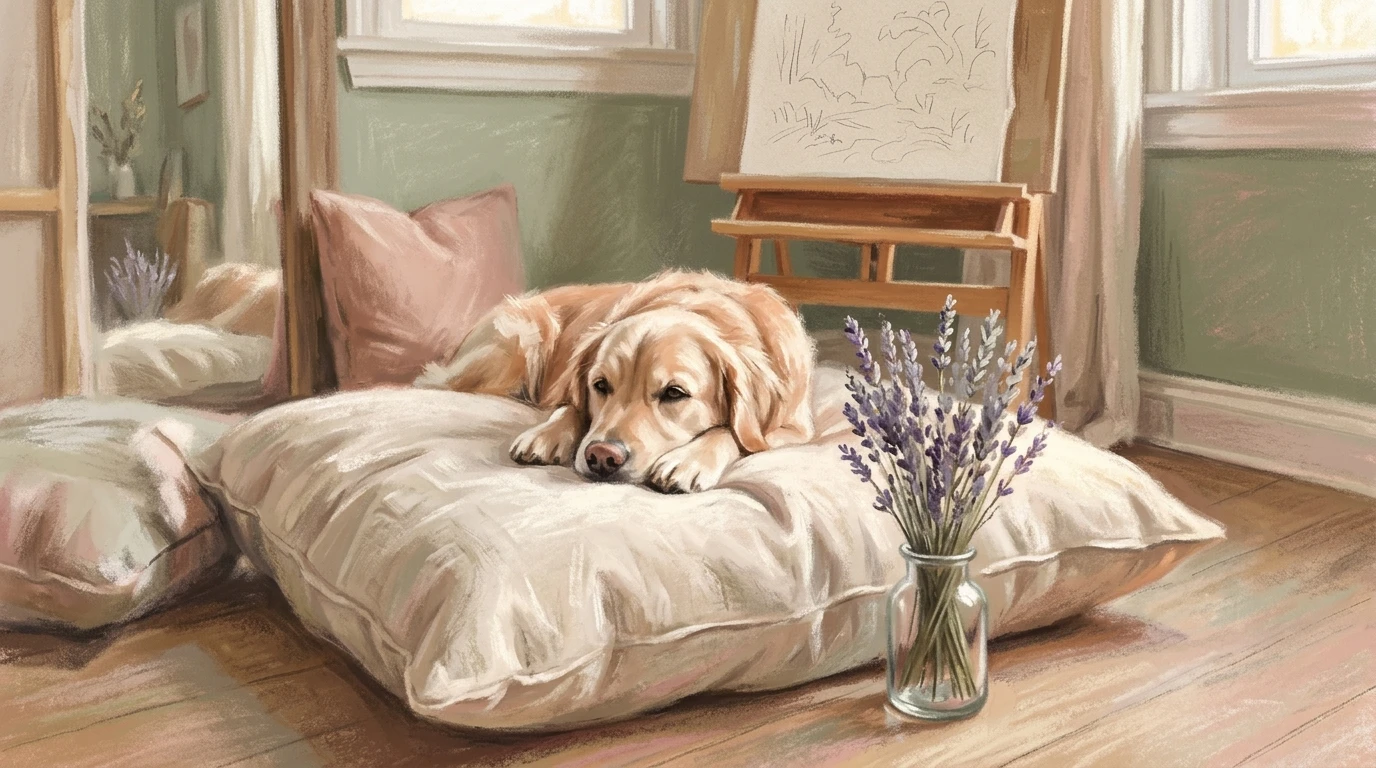
Pet memorial portraits in pastel offer a beautiful way to remember a beloved companion through custom artwork. The soft colors and delicate textures of pastels can capture the warmth of a pet’s expression, from the sparkle in their eyes to the distinctive markings that made them instantly recognizable.
Unlike a photograph, a hand-drawn portrait offers an artistic interpretation of a favorite memory. Whether it shows your dog enjoying a sunny afternoon or your cat curled up in a familiar spot, the finished artwork can bring a little piece of their personality into your home.
If you’re considering commissioning a pastel portrait, this guide will walk you through how the artwork is created, choosing the right photograph and artist, and what to expect when ordering a custom piece.
Why Choose a Pastel Memorial Portrait?
Pastels have a distinctive quality that makes them particularly well suited to animal portraits. Their rich pigments can be blended for gentle transitions between colors or applied in fine strokes to create realistic fur textures and subtle details.
One advantage of a hand-drawn portrait is the artist’s ability to make thoughtful adjustments that aren’t always possible in a photograph. A distracting background can be removed, lighting can be softened, or attention can be drawn to the features you love most about your pet.
Pastel artists also work in a variety of styles. Some create highly detailed, lifelike portraits, while others favor a looser, more expressive approach. This flexibility allows you to choose artwork that complements your home and reflects your personal preferences.
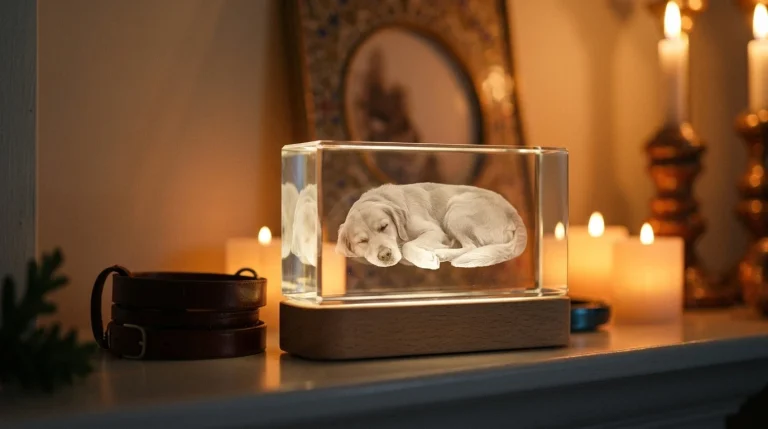
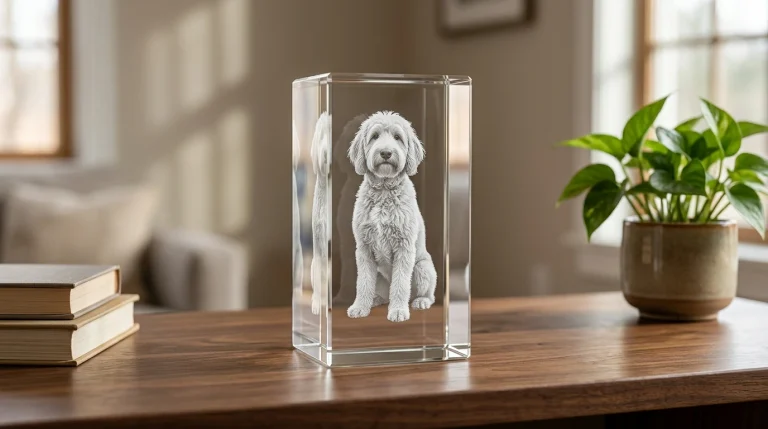
Beyond its artistic qualities, a custom portrait can become a cherished part of your home. Displayed alongside favorite photographs or pet keepsake shadow boxes, it offers another way to celebrate the years you shared with your companion.
What Makes a Custom Pastel Pet Portrait Personal?
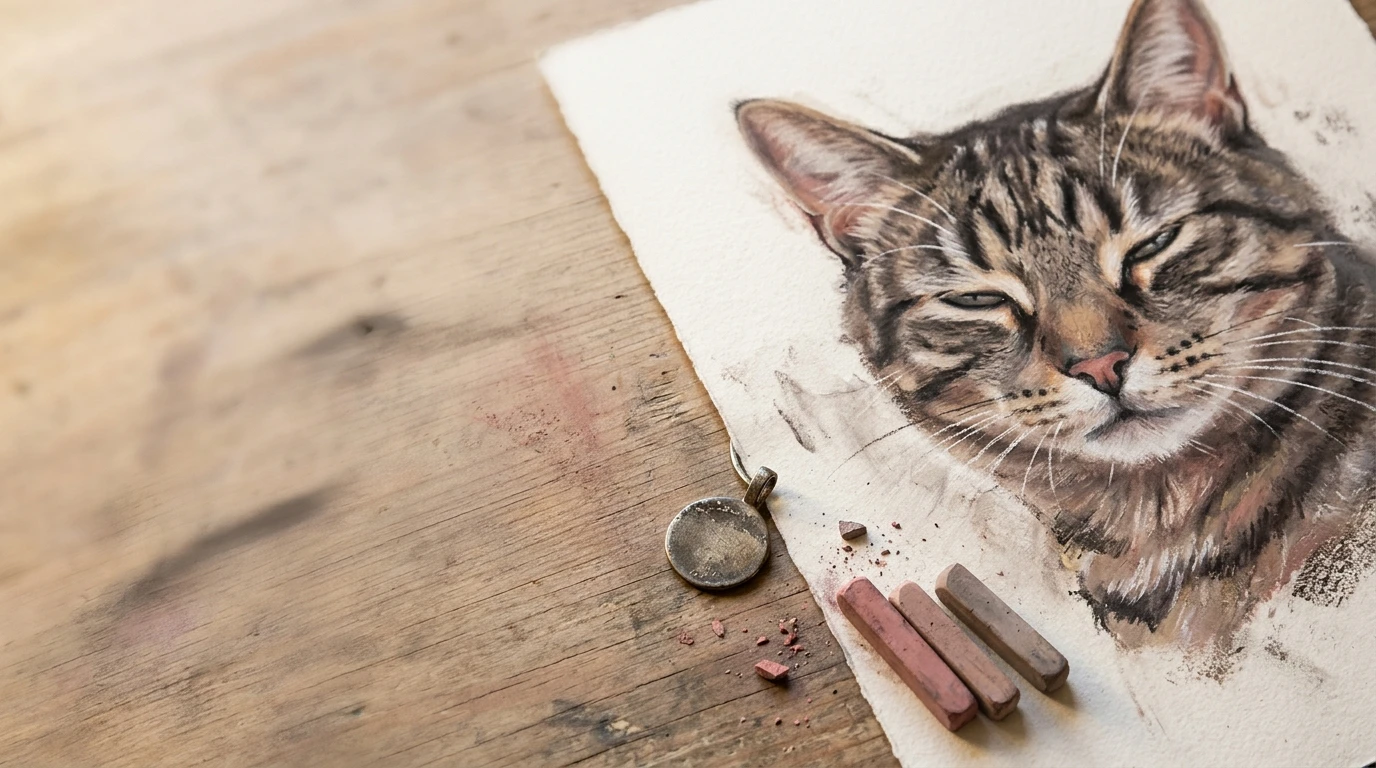
One of the most appealing parts of commissioning a pastel pet portrait is being able to include details that hold special meaning. Beyond capturing your pet’s likeness, you may have opportunities to customize the composition, colors, and finishing touches.
Not every artist offers the same options, so it’s worth discussing your ideas before placing an order.
1. Choosing a Favorite Expression
Think about the look that reminds you most of your pet. Maybe your dog had an unmistakable head tilt, or your cat had a particularly content expression when relaxing. These little characteristics can help guide the artist toward the portrait you have in mind.
2. Selecting the Pose and Background
Some artists can simplify a busy background, use a soft neutral color, or incorporate a meaningful setting. A favorite garden, sunny window, or cozy resting place may add a personal touch without distracting from your pet.
3. Including Special Details
A beloved collar, distinctive markings, or favorite toy can add character to the artwork. If you’d like your pet’s name or a short message included, ask whether the artist offers lettering or other personalized touches.
4. Choosing a Background Color
Background colors can influence the overall mood of a pastel portrait. Soft creams and grays create a subtle backdrop, while muted blues, greens, or warmer tones can bring out different colors in your pet’s coat. Ask the artist which shades would complement your pet’s coloring and the style of the artwork.
5. Including More Than One Pet
If you’d like to remember two or more companions together, some artists can create a single portrait using separate photographs. Discuss the arrangement and recommended artwork size so each pet has enough space to be represented clearly.
The most personal details are often the simplest ones. A familiar pose, a favorite collar, or a thoughtfully chosen background can make the finished portrait feel especially connected to the pet you remember.
How Pastel Pet Portraits Are Created
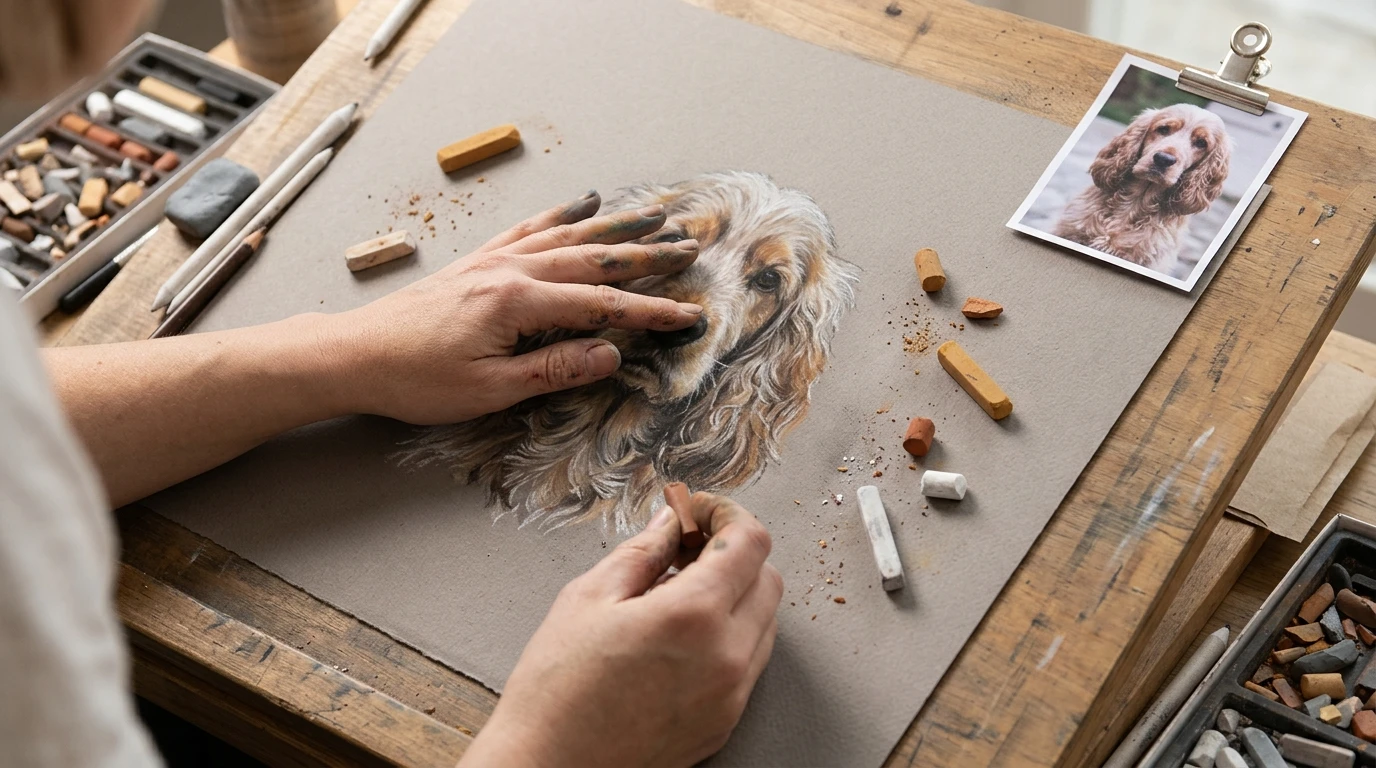
Creating a pastel pet portrait involves several stages, from the first sketch to the finishing touches. Artists may use soft pastel sticks, pastel pencils, or a combination of both, depending on the level of detail and style they’re trying to achieve.
Although techniques vary from one artist to another, here’s how the process generally unfolds.
1. Sketching the Initial Outline
The artist begins by studying the reference photograph and lightly outlining your pet’s proportions, facial features, and pose. This initial drawing provides the foundation for the layers of color that follow.
2. Building the Base Colors
Next, the artist establishes the main colors of the fur and background. By layering and blending pastels, they gradually develop the tones, shadows, and highlights that give the portrait depth.
3. Adding Fur Texture and Facial Details
Once the basic colors are in place, the artist begins working on finer details. Short strokes can suggest individual hairs, while carefully placed shading helps define the eyes, nose, and contours of the face.
4. Refining the Final Details
During the finishing stage, the artist may add delicate whiskers, adjust highlights, or refine areas where colors meet. These final touches help bring the different elements of the portrait together.
5. Protecting the Finished Artwork
Because pastel pigment rests on the paper’s surface, the finished artwork needs careful handling. Some artists apply a specialized fixative, while others avoid it because it can change the appearance of the colors.
The artist may also provide instructions for transporting and framing the portrait to help protect its delicate surface.
Choosing the Best Reference Photo for Your Pet’s Portrait
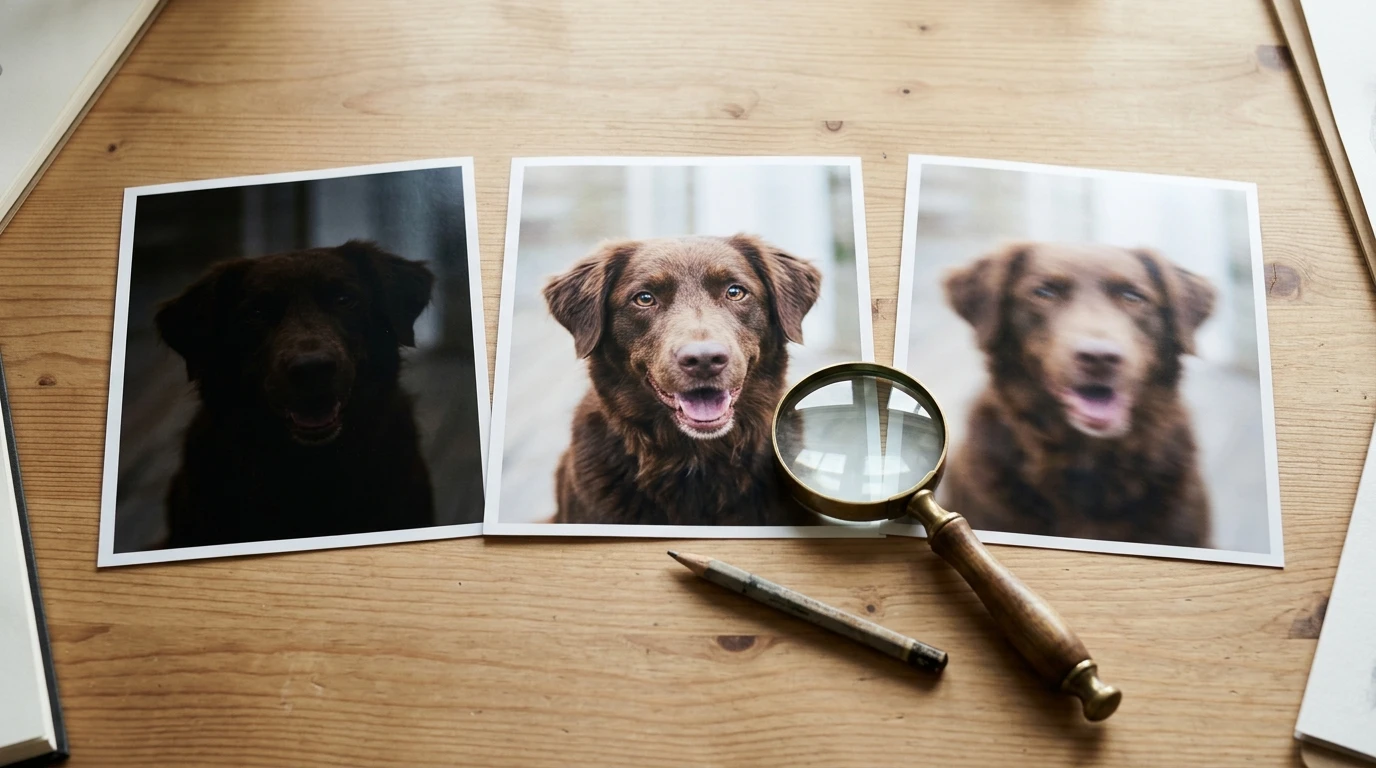
Choosing a reference photograph is an important step when commissioning a pastel pet portrait. The artist needs enough visual information to understand your pet’s appearance, including their coloring, proportions, and finer details.
A professionally taken photograph isn’t necessary. A clear snapshot taken at home can work just as well, provided the important features are visible.
Here are five things to look for when selecting a reference photo:
1. Clear Facial Features
Choose a photograph where your pet’s eyes, nose, and facial markings are easy to distinguish. Avoid images that are heavily cropped, out of focus, or taken from an angle that hides important features.
2. Natural Lighting
Soft, natural daylight generally provides a more accurate view of fur colors and textures. Photographs taken in strong sunlight may have deep shadows, while flash photography can create glare or make certain colors appear different.
3. A Meaningful Expression
Look for a photograph that captures an expression you recognize immediately. A relaxed gaze, curious look, or familiar head tilt can help the artist understand the appearance you’re hoping to preserve.
4. Visible Fur and Markings
Make sure distinctive patches of color, patterns, and fur textures are reasonably clear. If part of your pet’s body is hidden or the lighting makes certain markings difficult to see, consider providing another photograph for reference.
5. More Than One Reference Photo
Even when you’ve chosen a favorite image, additional photographs can be helpful. Different angles may show the shape of your pet’s ears, the coloring of their coat, or details that aren’t visible in the main photograph.
Ask the artist whether they accept multiple reference images and how they use them when creating the portrait.
What If You Only Have Older or Blurry Photographs?
If your pet has passed away, you may only have older photographs or images taken with a lower-quality camera. That doesn’t necessarily mean a custom portrait is out of reach.
Some artists are experienced in working from imperfect photographs and may be able to use several images together to understand your pet’s appearance. However, they can’t always recreate details that aren’t visible.
Send your best available photographs before placing an order. The artist can assess whether they’re suitable and explain what level of detail is realistic for the portrait size and style you’re considering.
What to Consider When Commissioning a Pastel Pet Portrait
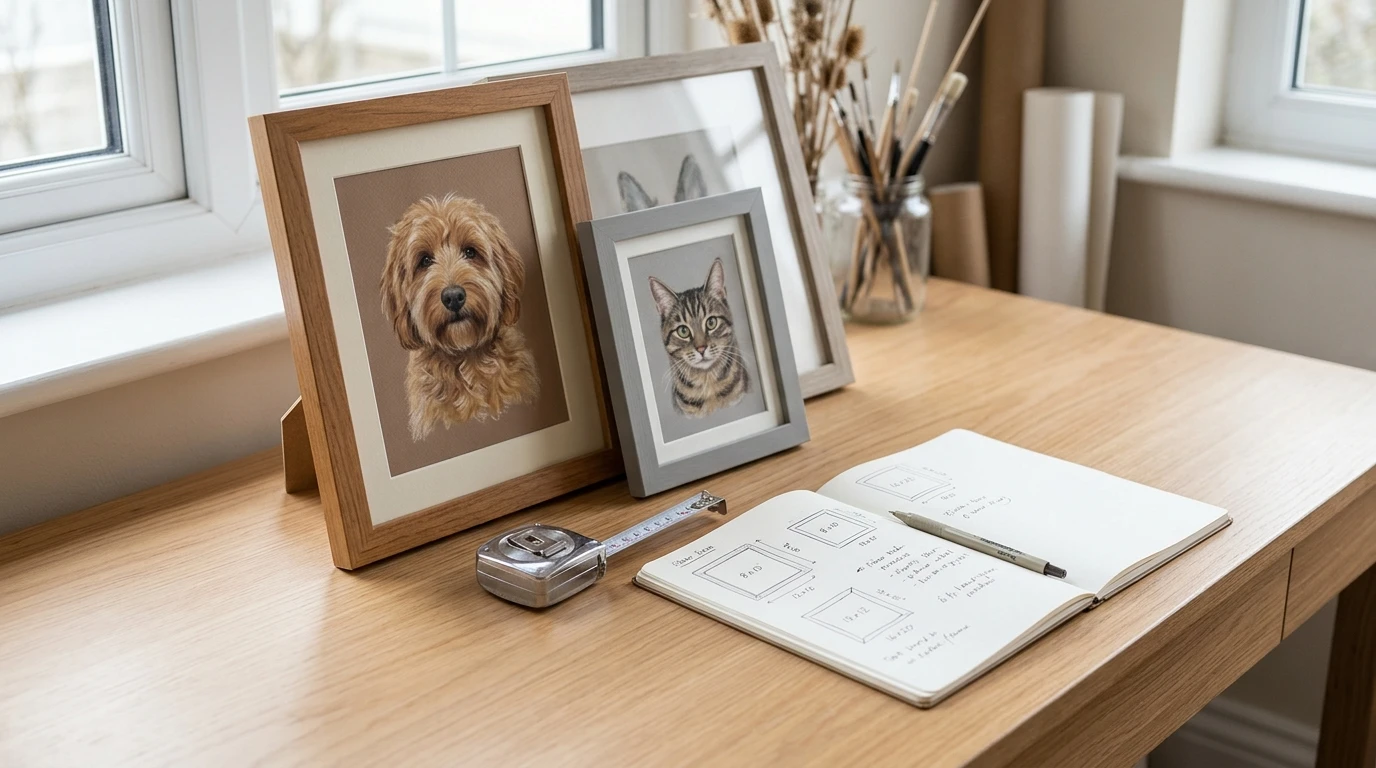
Before commissioning a pastel pet portrait, it’s worth comparing a few artists and understanding exactly what your purchase includes. Taking time to review the details can help you avoid unexpected costs and choose someone whose work you genuinely admire.
1. The Artist’s Style and Experience
Look through the artist’s portfolio to see whether their work matches the style you’re hoping for. Some specialize in detailed realism, while others create softer, more expressive portraits.
Pay particular attention to completed animal portraits. If the artist shares reference photographs alongside finished pieces, these can help you evaluate their ability to capture a recognizable likeness.
Recent customer reviews may also provide insight into the artist’s reliability and overall service.
2. Portrait Size and Display Location
Consider where you’d like to display your portrait before deciding on its dimensions.
An 8 × 10-inch portrait may suit a smaller wall or memorial display, while an 11 × 14-inch or 16 × 20-inch piece can work well in a larger space.
Remember to account for the additional dimensions of a mat and frame, particularly if you have a specific display location in mind.
3. Pricing and What’s Included
Prices for custom pastel portraits vary based on the artist’s experience, artwork size, complexity, and number of pets included.
Before ordering, confirm whether the quoted price covers:
-
Original hand-drawn artwork or a printed reproduction
-
Additional pets or detailed backgrounds
-
Personalized details or lettering
-
Revisions and adjustments
-
Framing, packaging, and shipping
Comparing what’s included can give you a clearer picture of the overall value rather than relying on price alone.
4. Turnaround Time
Hand-drawn portraits can take several weeks or longer, depending on the artist’s workload and the complexity of the commission.
Ask for an estimated completion date and whether the artist has a waiting list. If you’re ordering for a birthday, holiday, or other meaningful occasion, allow additional time for shipping and framing.
5. Communication and Revision Policies
Before paying, find out how the artist communicates during the commission and whether you’ll receive progress updates or a preview of the finished portrait.
Ask how many revisions are included, which changes are permitted, and whether additional adjustments involve extra fees. Some artists have limited revision windows or don’t accept changes once the artwork is completed.
Having these details in writing can help prevent misunderstandings.
6. Packaging and Shipping
Original pastel artwork needs careful packaging to protect its delicate surface during transportation.
Ask whether the artist ships portraits flat or framed, how the artwork is protected, and whether tracking or shipping insurance is available.
It’s also worth checking the policy for artwork that arrives damaged, including how quickly you need to report a problem.
A little research before ordering can make the commissioning process more straightforward and help you feel confident about your choice.
Where to Order a Custom Pastel Pet Portrait
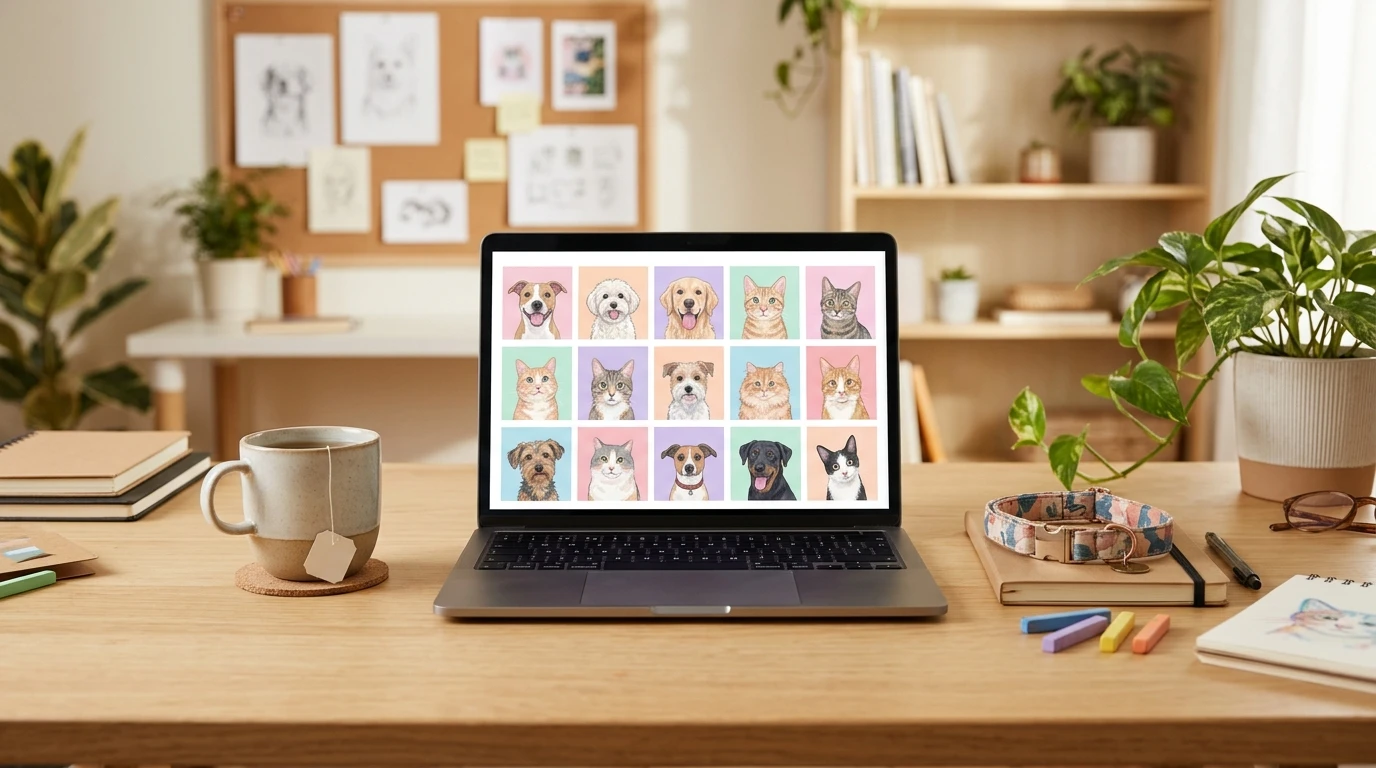
There are several ways to commission a custom pastel pet portrait, and each offers a slightly different ordering experience. The best option depends on how much involvement you’d like in the creative process, your budget, and the type of artwork you’re looking for.
Independent Pastel Artists
Working directly with an independent artist can be a good choice if you’d like a more personal commissioning experience. Many artists accept orders through their own websites and share examples of their work through online portfolios or social media.
You may be able to discuss your ideas directly with the person creating the portrait, including special requests or details that are important to you.
Some independent artists have limited availability or maintain waiting lists, so it’s worth checking whether they’re accepting new commissions.
Custom Pet Portrait Companies
Custom portrait companies often provide a more structured ordering process. You typically upload your photographs, select a size, choose available personalization options, and complete your purchase online.
This approach can be convenient if you prefer a straightforward ordering experience.
However, not every company offering pastel-style portraits creates original hand-drawn artwork. Some sell digital illustrations or printed reproductions designed to resemble traditional pastels. Check the product description carefully to understand what you’ll receive.
Online Artist Marketplaces
Online artist marketplaces allow you to browse work from multiple sellers in one place. This can be useful for comparing artistic styles, available sizes, and different price ranges.
Because each seller operates independently, the materials, ordering process, and finished products may vary.
Pay attention to whether a listing is for an original pastel drawing, a custom digital portrait, or a printed piece. Product photographs and descriptions should make that distinction clear.
How to Choose a Trustworthy Portrait Artist
Regardless of where you decide to order, it’s important to feel comfortable with the artist or company handling your commission.
A few helpful signs include:
-
A portfolio featuring genuine examples of completed pastel pet portraits
-
Recent customer reviews, preferably with photographs of finished orders
-
Clear information about whether the artwork is original or reproduced
-
Transparent ordering instructions and contact information
-
Written policies explaining what happens if an order is delayed, canceled, or arrives damaged
-
Helpful responses when you ask questions before purchasing
Be cautious of sellers who use vague product descriptions, provide very few examples of their work, or cannot explain how their portraits are created.
If you’re uncertain, contact the artist before ordering. A clear, thoughtful response can help you decide whether they’re the right person to create your pet’s portrait.
How to Care for and Display Your Pastel Pet Portrait
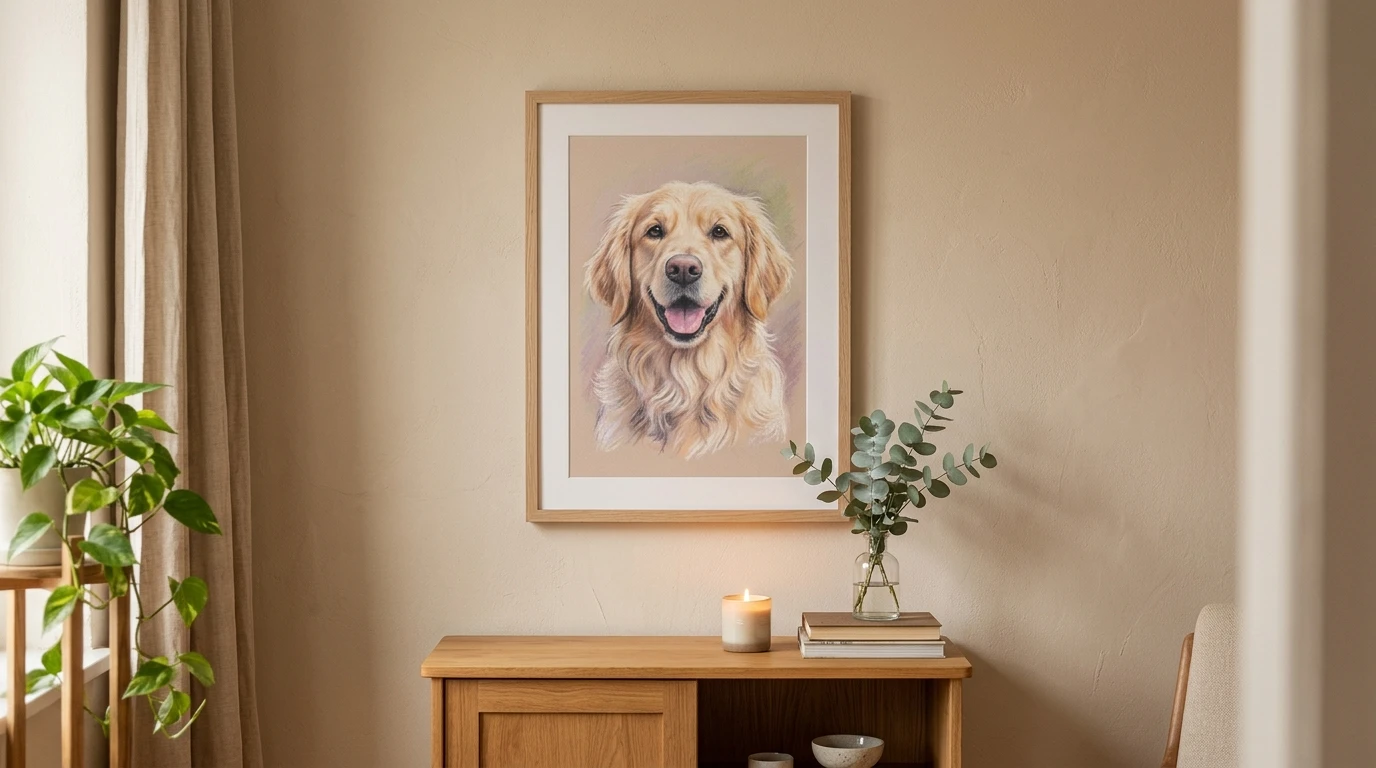
Once your pastel pet portrait arrives, proper care can help preserve its colors and delicate details for years to come. A few precautions when framing, handling, and displaying the artwork can make a difference in how well it holds up over time.
Choose Protective Framing
Original pastel artwork is particularly vulnerable to smudging because the pigment rests on the paper’s surface. Framing the portrait behind glass or acrylic helps protect it from dust and accidental contact.
A professional framer familiar with pastel artwork can recommend archival materials and suitable spacing to prevent the artwork from touching the glazing. Avoid placing glass or acrylic directly against the pastel surface.
Keep the Portrait Away From Direct Sunlight
Choose a display location that doesn’t receive prolonged direct sunlight, which can cause certain pigments and paper materials to fade or deteriorate over time.
UV-filtering glass or acrylic offers additional protection, but it’s still best to avoid areas exposed to strong sunlight.
Avoid Humidity and Temperature Changes
Excess moisture and frequent temperature fluctuations can affect paper and framing materials.
Avoid displaying your portrait in bathrooms, damp basements, or directly beside heating and cooling vents. A room with relatively stable conditions is generally a better choice.
Handle the Artwork Carefully
If your portrait arrives unframed, avoid touching the pastel surface or attempting to clean it yourself.
Follow the artist’s handling instructions and arrange for appropriate framing when possible. If the artwork becomes damaged or needs cleaning, consult a qualified art conservator rather than using household products.
Consider Digital Copies for Family Members
If you’d like to share the portrait with relatives, ask the artist whether a digital copy is available or whether you have permission to reproduce the artwork.
A professional art photographer or scanning service may be able to create a high-quality reproduction without harming the original. Confirm reproduction rights with the artist before making copies.
Once your portrait is properly framed, choose a place where you can enjoy it as part of your everyday surroundings. Whether displayed on its own or alongside other cherished keepsakes, it can become a lovely reminder of your companion.
Frequently Asked Questions
How Long Does It Take to Receive a Custom Pastel Pet Portrait?
Completion times vary depending on the artist’s availability, portrait size, and complexity. Some commissions take a few weeks, while others may require several months. Ask for an estimated completion and delivery date before ordering, especially if you’re purchasing the portrait for a special occasion.
Can a Pastel Portrait Include More Than One Pet?
Yes. Many artists can include two or more pets in a single portrait, even when they’re pictured in separate photographs. Additional pets may affect the price, and a larger portrait may be recommended to give each animal enough space.
What If I Only Have Old or Blurry Photographs of My Pet?
Some artists can work with older or blurry photographs, particularly if you have other images that show additional details. However, the quality of the finished portrait depends on the information available. Share your photographs with the artist before ordering so they can explain what’s realistically possible.
What’s the Difference Between an Original Pastel Portrait and a Printed Reproduction?
An original pastel portrait is drawn by hand using pastel sticks or pencils, giving it a unique surface texture. A printed reproduction is a copy of artwork or a digital image, usually produced on paper or canvas. Both can be attractive options, but confirm which type you’re purchasing before placing an order.
Why a Pastel Portrait Is a Meaningful Tribute
The little details often become the memories we treasure most—a familiar expression, a favorite sleeping position, or the way your pet looked at you when they wanted your attention. A pastel portrait can capture some of those characteristics in a way that feels personal and familiar.
Long after the everyday routines have changed, seeing your pet’s face captured in soft colors and delicate strokes can bring those moments back to mind. It’s a quiet way to celebrate the companionship you shared and the place your pet will always have in your heart.
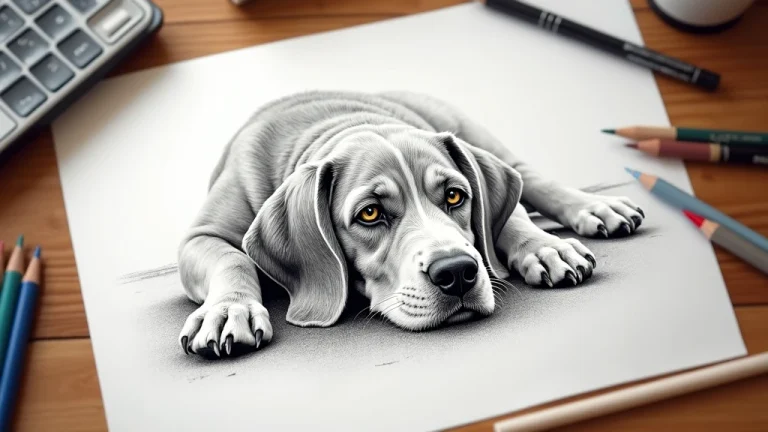
The joy of doing a pet portrait is that you can tell the artist exactly what you want and even if you don’t have that perfect photograph with the perfect background, your artist can adapt according to what you want. This is a really beautiful way to memorialize your pets, and it also makes a great piece of artwork to display around the house.
Thank you so much for your kind words and for highlighting such an important point! One of the most special things about pet portraits—especially in pastel—is that they allow for artistic flexibility. It’s not just about recreating a photo, but about capturing the essence and personality of your pet in a way that feels deeply personal. I’m so glad the idea resonated with you, and I completely agree — it’s a meaningful tribute and a beautiful piece of art to treasure for years to come.